
Understanding Racing Flags: A Beginner’s Guide to Motorsport
28 June, 2026
Whether you’re preparing for your first race, attending a track day or simply want to understand what happens during a race weekend, learning the meaning of racing flags is one of the most important steps in motorsport.
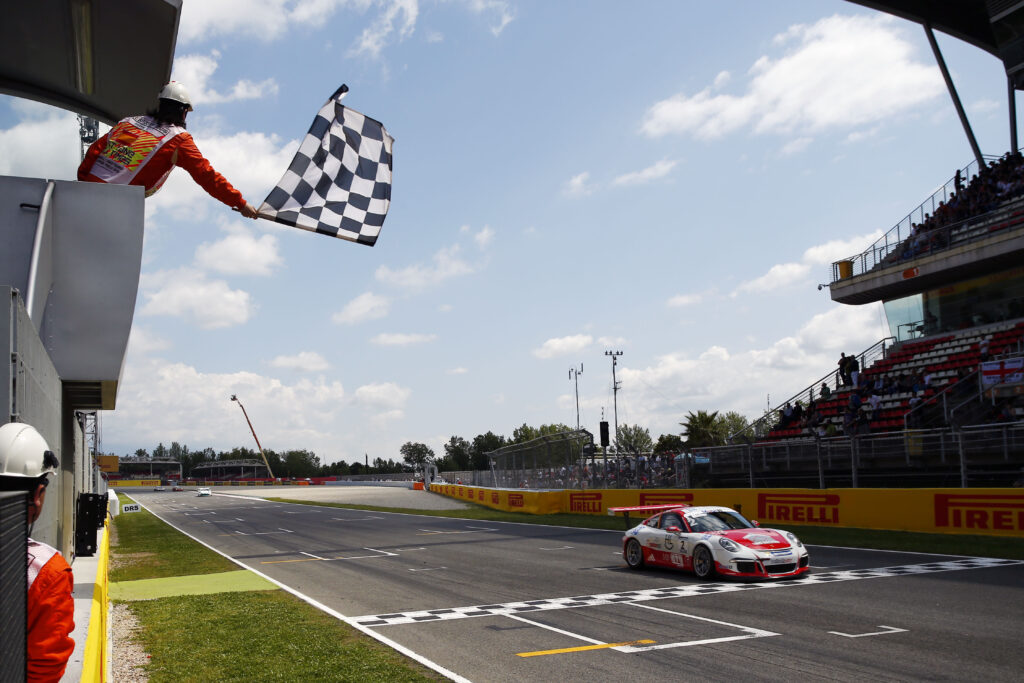
Flags are the universal language of racing. They allow officials to communicate instantly with drivers, keeping everyone informed and, most importantly, safe.
While some flags are used more frequently than others, every competitor should understand what they mean before heading onto the circuit.
Green Flag – The Track Is Clear
The green flag signals the start of a session or indicates that the track ahead is clear following an incident or caution.
Once you see a green flag, normal racing conditions resume.
Yellow Flag – Danger Ahead
A yellow flag warns drivers of a hazard further around the circuit.
This could be:
- A spun or stationary car
- Debris on the circuit
- Marshals working close to the track
- Another incident requiring caution
Drivers should reduce speed, be prepared to change direction and avoid overtaking until it is safe to do so, following the regulations for the event they’re competing in.
Double Yellow Flags – Significant Hazard
Double yellow flags indicate a more serious incident.
The circuit may be partially or completely blocked, emergency vehicles could be on track, or marshals may be working in dangerous positions.
Drivers should significantly reduce speed and be prepared to stop if necessary.
Red Flag – Session Stopped
A red flag means the race or session has been stopped immediately.
This is usually due to:
- A major accident
- Barrier repairs
- Severe weather
- A dangerous obstruction on the circuit
Drivers should slow safely, avoid overtaking and follow officials’ instructions before returning to the pit lane or designated holding area.
Blue Flag – Faster Traffic Approaching
The blue flag alerts a driver that a faster car is approaching.
In multi-class racing or when being lapped, drivers should remain predictable and allow the quicker car to pass safely when the opportunity arises.
It’s not an instruction to pull off the circuit—it simply helps ensure racing remains safe and fair.
White Flag – Slow Vehicle Ahead
A white flag warns that a significantly slower vehicle is on the circuit ahead.
This could include:
- A recovery vehicle
- Medical vehicle
- Safety vehicle
- Slow-moving competitor
Drivers should proceed with caution until the hazard has passed.
Black and White Chequered Flag – End of the Session
Probably the most recognisable flag in motorsport.
The chequered flag marks the end of the race, qualifying session or practice.
Drivers complete the lap, return safely to the pits and celebrate—or start preparing for the next session.
Black Flag – Return to the Pits
A black flag displayed alongside a competitor’s number means that driver must return to the pits immediately.
This could be due to:
- A technical issue
- Dangerous driving
- A rules infringement
The driver should not continue racing until instructed otherwise.
Black Flag with Orange Disc
This flag indicates the car has a mechanical problem that could become dangerous.
Common examples include:
- Loose bodywork
- Fluid leaks
- Tyre damage
- Smoke from the vehicle
The driver must return to the pits so the issue can be rectified before continuing.
Black and White Diagonal Flag – Unsporting Behaviour
Sometimes referred to as the warning flag, this is shown to a specific driver to indicate that their driving behaviour is being monitored.
It acts as an official warning before further action or penalties may be taken.
Why Racing Flags Matter
Understanding racing flags isn’t just about passing a licence test—it’s fundamental to safe and enjoyable motorsport.
Whether you’re competing, attending track days or volunteering as a marshal, recognising these signals helps everyone share the circuit safely and confidently.
If you’re new to motorsport, take the time to learn the basics before your first event. It’s knowledge that every competitor will use throughout their racing career.
Learn More at Motorsport Expo
Motorsport Expo has been created to help newcomers and experienced competitors alike prepare for the season ahead.
Meet governing bodies, championships, clubs and experienced racers, discover the latest safety equipment and racewear, and gain practical advice from industry professionals. Whether you’re working towards your first competition licence or preparing for another season on track, Motorsport Expo is the ideal place to build your knowledge, ask questions and connect with the motorsport community.
Every great driver starts by learning the fundamentals—and understanding racing flags is one of the first steps on that journey.